
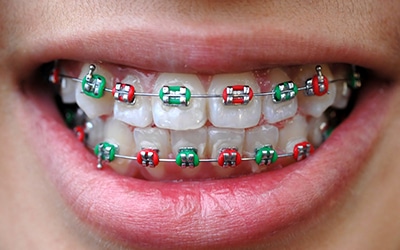
What Parents Should Know About Phase One Orthodontic Treatment
March 9, 2026 Image Credit:Phase One orthodontic treatment, also known as early orthodontic treatment or interceptive orthodontics, focuses on guiding a child’s jaw and tooth development before all permanent teeth have erupted. This phase typically begins between ages six and ten, when a mix of baby and permanent teeth are present. The American Association of Orthodontists recommends that children receive their first orthodontic evaluation by age seven (AAO, 2023). At this age, growth patterns can be assessed, and potential concerns can be identified early. For parents considering Spanish Fork braces for kids, understanding the purpose of Phase One treatment helps clarify when early intervention is beneficial.
Why Early Treatment May Be Needed
Not every child requires Phase One orthodontics. However, certain conditions may benefit from early correction to prevent more complex problems in adolescence. Phase One treatment is designed to address developmental concerns rather than simply straighten teeth for cosmetic purposes. Common reasons for phase one orthodontic treatment include:- Severe crowding or spacing issues
- Crossbite, underbite, or significant overbite
- Jaw growth discrepancies
- Prolonged thumb-sucking habits
- Early loss of primary teeth
How Phase One Treatment Works
Phase One treatment usually lasts 9 to 18 months, depending on the child’s needs. Appliances may include partial braces, expanders, or other devices designed to correct jaw alignment and create proper spacing. After Phase One is complete, children typically enter a resting period while remaining permanent teeth erupt. In some cases, a second phase of treatment with full child braces may be recommended during adolescence. However, because early intervention has already addressed structural issues, the second phase is often more efficient. Families seeking Spanish Fork affordable braces frequently appreciate that early care can reduce the complexity of later treatment.Benefits of Interceptive Orthodontics
The primary goal of interceptive orthodontics is to prevent future complications. By guiding jaw growth and managing space, orthodontists can:- Reduce the risk of impacted teeth
- Improve bite alignment
- Enhance facial balance
- Lower the likelihood of tooth extractions later