
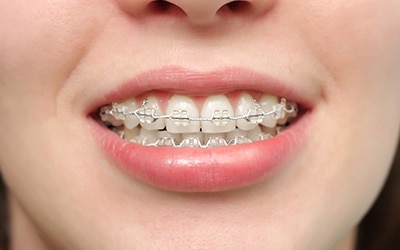
Why Some Orthodontic Issues Are Easier to Treat in Childhood
March 23, 2026 Image Credit:Children’s jaws are still growing, which makes early orthodontic care especially effective. During childhood, the bones are more adaptable and responsive to treatment. This flexibility allows orthodontists to guide jaw development and tooth positioning before growth is complete. The American Association of Orthodontists recommends that children receive an initial orthodontic evaluation by age seven (AAO, 2023). At this stage, early signs of crowding, bite misalignment, or jaw discrepancies can be detected. Families exploring Spanish Fork braces for kids often learn that early assessment may prevent more complicated treatment later in adolescence.
Why Early Orthodontic Treatment Works
Early orthodontic treatment, also known as interceptive orthodontics, focuses on correcting structural problems while the jaw is still developing. Instead of waiting for all permanent teeth to erupt, orthodontists can address issues such as crossbite, underbite, or severe crowding at a time when growth can be guided. When treatment is initiated during childhood, orthodontists may:- Expand narrow dental arches
- Correct bite discrepancies
- Create space for erupting permanent teeth
- Reduce the risk of impacted teeth
Common Issues Treated Early
Certain orthodontic concerns are particularly responsive to treatment during childhood. For example, crossbites often benefit from early expansion before the upper jaw fully matures. Likewise, significant overbites or underbites can sometimes be managed more effectively before adolescence. Children who experience early tooth loss or prolonged thumb-sucking may also develop spacing or alignment issues. Addressing these concerns early can reduce the likelihood of needing extractions or extensive correction later. Families interested in Spanish Fork affordable braces frequently discover that early intervention may shorten overall treatment time in the future.The Role of Interceptive Orthodontics
Interceptive orthodontics focuses on monitoring and guiding growth rather than immediately placing full braces in every case. In some instances, partial child braces, expanders, or other appliances are used to influence jaw growth and spacing. After Phase One treatment, children often enter a resting period while permanent teeth continue to erupt. If additional alignment is needed during adolescence, treatment may involve full braces or clear aligners. Parents exploring Spanish Fork clear braces options can discuss aesthetic alternatives when their child reaches the appropriate age for comprehensive care.Benefits of Treating Issues Early
Treating orthodontic concerns in childhood offers several potential advantages. Early care may:- Simplify future orthodontic treatment
- Improve facial symmetry and bite function
- Reduce the need for surgical correction later
- Enhance a child’s confidence during formative years