
What Adults Should Know Before Starting Orthodontic Treatment
June 22, 2026 Image Credit:Orthodontic treatment is no longer viewed as something reserved for teenagers. More adults than ever are choosing to improve the alignment of their teeth and bite for both cosmetic and functional reasons. Whether addressing concerns that were never treated during childhood or correcting changes that have occurred over time, adult orthodontics can provide meaningful benefits for oral health and confidence. Before beginning treatment, it is important to understand what the process involves, the available options, and the factors that contribute to successful outcomes. A qualified Spanish Fork orthodontist can help patients evaluate their needs and determine the most appropriate treatment plan.
Adult Treatment Is Common
Many adults assume they are too old for orthodontic treatment, but healthy teeth and gums can often be moved successfully at almost any age. Advances in orthodontic treatment have made care more comfortable, efficient, and discreet than in previous decades. Adults frequently pursue treatment for concerns such as:- Crowded teeth
- Gaps between teeth
- Bite misalignment
- Relapse after previous orthodontic treatment
- Difficulty cleaning certain areas of the mouth
- Cosmetic smile improvements
Oral Health Comes First
Before starting orthodontic care, the health of the teeth and gums must be evaluated. Conditions such as untreated cavities, gum disease, or significant bone loss may need to be addressed before tooth movement begins. A thorough examination helps ensure the mouth is prepared for treatment and can safely support the planned changes. Patients who maintain good oral health habits often experience smoother treatment and more predictable results. An experienced orthodontist in Spanish Fork may coordinate with a general dentist when additional restorative or preventive care is needed before treatment begins.Understanding Treatment Options
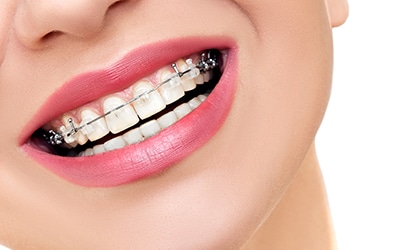
Adults today have access to several orthodontic solutions depending on their goals and the complexity of their case. While traditional braces remain highly effective, many patients are interested in less noticeable alternatives. Common treatment options include:- Traditional metal braces
- Ceramic braces
- Clear aligners
- Retainers for minor adjustments
- Specialized appliances for bite correction
Treatment Requires Commitment
Orthodontic treatment is a partnership between the patient and the dental team. Success depends on following instructions, maintaining oral hygiene, and attending scheduled appointments. Adults should be prepared to:- Brush and floss carefully
- Attend regular adjustment visits
- Wear aligners or appliances as directed
- Follow dietary recommendations when applicable
- Wear retainers after treatment is complete