
What Parents Should Know About Orthodontic Readiness
October 26, 2026 Image Credit:Many parents wonder when their child should first visit an orthodontist and whether braces are necessary before all permanent teeth have emerged. Orthodontic readiness involves more than age alone. Dental development, jaw growth, bite alignment, and individual treatment needs all influence when orthodontic care may be appropriate. Understanding these factors can help parents make informed decisions about their child's smile. Whether researching Spanish Fork braces for kids or considering an early evaluation, recognizing the signs of orthodontic readiness is an important first step toward supporting healthy dental development.
Understand When Evaluations Should Begin
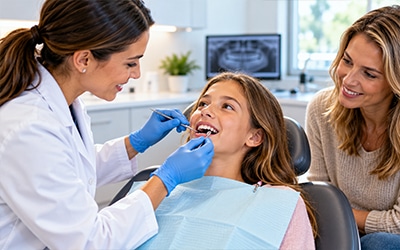
Children do not need to have all their permanent teeth before receiving an orthodontic evaluation. The American Association of Orthodontists recommends an initial orthodontic checkup no later than age seven, when developing bite relationships and tooth eruption patterns can be assessed. An early orthodontic evaluation does not necessarily mean treatment will begin immediately. In many cases, the orthodontist may recommend monitoring growth until the child reaches a more appropriate stage of development. Parents searching for an orthodontist near me in Spanish Fork can benefit from understanding that early evaluations are intended to identify potential concerns and establish an appropriate plan rather than automatically starting braces.Recognize Signs of Orthodontic Concerns
Some orthodontic problems are easy to notice, while others may be less obvious. Even children whose teeth appear relatively straight can have developing bite or jaw alignment concerns. Parents should watch for signs such as:- Crowded, overlapping, or unusually spaced teeth
- Early or delayed loss of baby teeth
- Difficulty biting or chewing comfortably
- Upper and lower teeth that do not meet properly
- Protruding front teeth
- Persistent thumb-sucking or other oral habits
Consider Dental and Jaw Development
Orthodontic readiness depends partly on how a child's teeth and jaws are developing. Some children may benefit from treatment while they still have a combination of baby and permanent teeth, while others may be better suited for treatment during adolescence. During an evaluation, the orthodontist examines tooth eruption, spacing, crowding, and bite relationships. Pediatric orthodontics also considers how ongoing jaw growth may influence future alignment. Certain concerns may benefit from earlier intervention, while others can be monitored until more permanent teeth emerge. The goal is to recommend treatment based on the child's individual development rather than following the same timeline for every patient.Explore Available Orthodontic Options
Once a child is ready for treatment, the orthodontist can discuss appropriate options based on the complexity of the alignment problem, dental development, and treatment goals. Traditional braces remain an effective option for many children and teenagers. Families researching Spanish Fork Damon braces may also encounter self-ligating systems that use specialized brackets to hold orthodontic wires. Potential treatment considerations include:- The type and severity of the alignment concern
- The child's stage of dental development
- Oral hygiene habits and daily responsibilities
- Expected treatment requirements
- Comfort and appliance maintenance